Choosing the Right Magnesium Supplement for GLP-1 Users
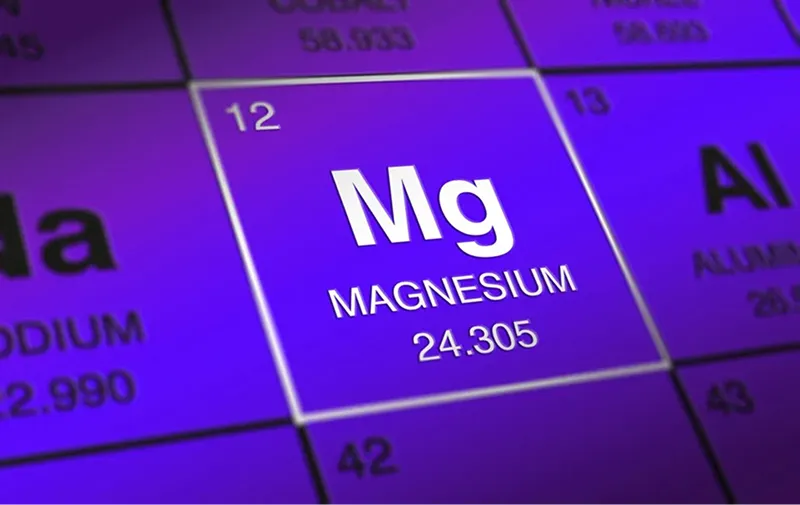
Magnesium is a critical cofactor in over 300 enzymatic reactions in the human body, including those responsible for glucose metabolism and muscle function. For men on GLP-1 receptor agonists (like semaglutide or tirzepatide), maintaining adequate magnesium levels becomes even more vital as the body undergoes rapid metabolic shifts.
The direct answer is that not all magnesium is created equal, and the "wrong" form can actually exacerbate the gastrointestinal side effects of your medication. Choosing the correct form can support your transition, while inorganic forms may lead to unnecessary discomfort.
This guide breaks down the clinical applications of various magnesium types specifically for the GLP-1 user.
The Science: Magnesium and GLP-1 Synergy
At the cellular level, magnesium is essential for ATP synthesis (the creation of cellular energy) and the activation of the insulin receptor. When you are on a GLP-1, your body is essentially "retraining" its insulin response. Magnesium acts as a second messenger for insulin action; without it, the glucose-lowering effects of your medication may be less efficient.
Furthermore, GLP-1s can alter fluid and mineral balance through natriuresis (the excretion of sodium through the kidneys). Because magnesium often follows sodium and water out of the body, users may find themselves in a deficit. This can manifest as muscle cramps, sleep disturbances, or "brain fog," as magnesium is also required for the regulation of neurotransmitters in the brain.
Key Components: A Breakdown of Magnesium Types
When selecting a supplement, the molecule attached to the magnesium (the ligand) determines where the mineral is absorbed and how it affects your gut.
- Magnesium Glycinate: This is magnesium bound to the amino acid glycine. It is the gold standard for GLP-1 users because it is highly bioavailable and non-laxative. It supports sleep and muscle relaxation without speeding up gastric motility (the speed at which food leaves your system).
- Magnesium Citrate: While highly absorbable, this form is an osmotic laxative, meaning it pulls water into the intestines. For men experiencing the common GLP-1 side effect of constipation, this can be a useful tool, but it should be used cautiously to avoid cramping.
- Magnesium Malate: Bound to malic acid, this form is often recommended for those experiencing the fatigue sometimes associated with caloric deficits, as malic acid is a key player in the Krebs cycle (the process of energy production within your cells).
- Magnesium Oxide: This is an inorganic salt and often the cheapest form found in "big box" stores. It has poor bioavailability (roughly 4% absorption) and often causes significant GI distress. It is generally not recommended for GLP-1 users.
Dietary and Natural Sources
Before leaning entirely on supplements, you should attempt to bolster your magnesium intake through whole foods, which provide the mineral alongside necessary fiber.
- Pumpkin Seeds and Almonds: These are among the highest dietary sources of magnesium and provide healthy fats.
- Leafy Greens: Spinach and Swiss chard contain magnesium at the center of their chlorophyll molecules.
- Mineral Water: Certain "hard" mineral waters can provide a significant portion of your daily requirement in a highly absorbable liquid form.
- Habit Shift: Avoid excessive caffeine and alcohol, both of which act as diuretics and can increase the rate at which your kidneys excrete magnesium.
When to Supplement or Intervene
Supplementation is often necessary when dietary intake cannot keep up with the metabolic demands of weight loss or the side effects of the medication.
- Dosing Guidelines: Most adult men should aim for a supplemental dose of 200–400mg per day. However, do not exceed the Tolerable Upper Intake Level (UL) of 350mg from supplements alone unless specifically directed by your physician.
- Timing: Taking magnesium glycinate in the evening can assist with the insomnia or "restless legs" sometimes reported during the first few weeks of GLP-1 therapy.
- Contraindications: Magnesium can interfere with the absorption of certain medications, including antibiotics (tetracyclines) and bisphosphonates. Always space these doses by at least two hours.
Red Flags
While magnesium is generally safe, watch for these signs of hypermagnesemia (excessive magnesium levels) or severe deficiency:
- Hypotension (Low Blood Pressure): Excessive magnesium can cause an unnatural drop in pressure, leading to dizziness or fainting.
- Irregular Heartbeat: Both too much and too little magnesium can disrupt the electrical signals of the heart.
- Profound Muscle Weakness: Distinct from general fatigue, an actual loss of motor strength or "heaviness" in the limbs warrants a clinical check.
FAQ Section
Will magnesium stop my GLP-1 from working? No. In fact, by supporting insulin sensitivity at the cellular level, magnesium may help the medication work more effectively.
Can I take magnesium with my GLP-1 injection? Yes. There is no known direct interaction between magnesium supplements and the subcutaneous (under the skin) injection of GLP-1 agonists.
Which form is best for the "GLP-1 headache"? Magnesium glycinate or magnesium taurate are often preferred for neurological support. Headaches on these medications are frequently caused by electrolyte shifts, and magnesium is a key pillar of that balance.




Cut 15% of body weight - Lose the fat. Keep the muscle.