GLP-1 Myths vs. Facts: What to Know About Medically Guided Weight Loss
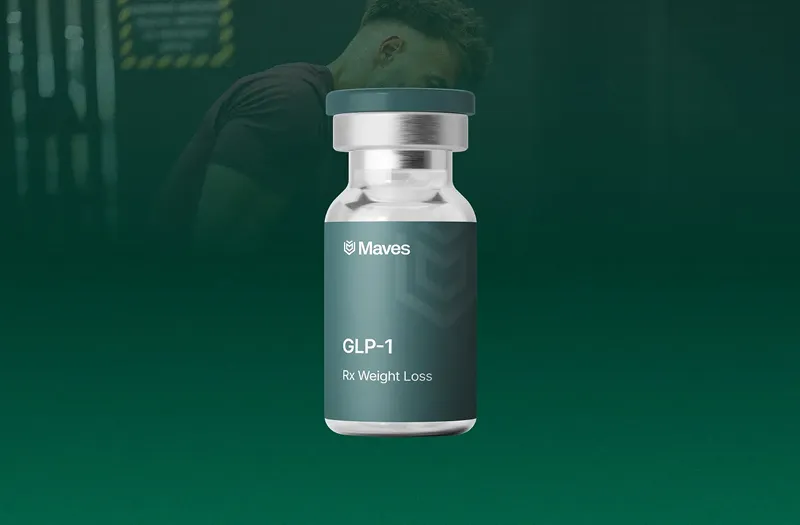
GLP-1–based medications have become more talked about in conversations about weight loss and with that visibility has come with a lot of noise. Headlines, social media, and anecdotes often oversimplify how these therapies work, who they’re for, and what results actually look like.
To make informed decisions, it helps to separate common myths from what these medications are designed to do in a medically guided setting.
Myth: GLP-1s Are a Shortcut
Fact: GLP-1s help regulate appetite, making consistency easier.
GLP-1 medications don’t cause weight loss on their own. They work by influencing appetite and satiety signals, helping reduce persistent hunger and cravings that make calorie control difficult over time.
For many people, the challenge isn’t knowing what to eat — it’s maintaining consistency without constant effort. Appetite regulation helps lower that friction, allowing nutrition and activity habits to be sustained more realistically.
Myth: You Don’t Need Lifestyle Changes
Fact: The best results come from pairing medical support with sustainable and healthy habits.
GLP-1 therapy is not a replacement for nutrition, movement, or recovery. In fact, outcomes are strongest when appetite support is paired with:
- Balanced nutrition
- Adequate protein intake
- Regular physical activity
- Consistent sleep and recovery
Medical guidance helps align these elements so weight loss doesn’t rely on extreme restriction or short-term strategies.
Myth: GLP-1s Automatically Lead to Muscle Loss
Fact: Muscle loss is influenced by nutrition, training, and recovery, not the medication itself.
Concerns about muscle loss often stem from rapid weight loss without proper support. Preserving lean mass depends on resistance training, adequate protein, and recovery, regardless of the method used to lose weight.
When GLP-1 therapy is used thoughtfully, appetite regulation can actually make it easier to fuel appropriately and train consistently, supporting healthier body composition outcomes.
Myth: GLP-1s Are Only for Extreme Cases
Fact: Many people use GLP-1s to address appetite challenges that stall progress.
GLP-1 therapy isn’t limited to extreme weight-loss scenarios. Many individuals explore it after years of trying to manage appetite, cravings, or weight regain despite consistent effort.
For people whose progress stalls due to persistent hunger or food noise, appetite regulation can provide the support needed to move forward.
Myth: Results Are Immediate and Effortless
Fact: Progress is gradual and depends on consistency over time.
GLP-1 medications are designed to be used as part of a longer-term approach. Changes in appetite often happen first, followed by steady progress over weeks and months.
Medical guidance helps manage expectations, dosing, and side effects, ensuring the process remains sustainable rather than rushed.
What This Means for You
GLP-1 therapy isn’t about shortcuts or extremes. It’s about addressing appetite in a way that supports consistency, not constant discipline.
When hunger feels manageable, it becomes easier to focus on nutrition, training, sleep, and recovery — and that’s when long-term change becomes realistic.
If you’re curious whether GLP-1–based weight loss could support your goals, a medically guided evaluation is the best place to start.




Cut 15% of body weight - Lose the fat. Keep the muscle.