Measuring Your Resting Metabolic Rate: A Step-by-Step Guide
If you have ever felt like you are eating reasonably but not losing weight, you might have blamed a "slow metabolism." It is a common frustration, but often based on guesswork rather than data. Understanding your Resting Metabolic Rate (RMR) moves you from speculation to precision.
Yes, you can measure your metabolic rate, but online calculators are only estimates. While mathematical formulas provide a decent baseline for the average person, they cannot account for individual variances in mitochondrial efficiency, hormonal status, or lean muscle mass. To get the truth, you need to look closer at the biology.
This guide covers the physiological mechanisms behind RMR, the gold-standard methods for measuring it, and how to interpret the data to optimize your body composition.
If you have ever felt like you are eating reasonably but not losing weight, you might have blamed a "slow metabolism." It is a common frustration, but often based on guesswork rather than data. Understanding your Resting Metabolic Rate (RMR) moves you from speculation to precision.
Yes, you can measure your metabolic rate, but online calculators are only estimates. While mathematical formulas provide a decent baseline for the average person, they cannot account for individual variances in mitochondrial efficiency, hormonal status, or lean muscle mass. To get the truth, you need to look closer at the biology.
This guide covers the physiological mechanisms behind RMR, the gold-standard methods for measuring it, and how to interpret the data to optimize your body composition.
The Science: What Is RMR?
Resting Metabolic Rate (RMR) represents the energy (calories) your body requires to maintain basic physiological functions while at rest. This includes pumping blood, synthesizing hormones, cellular repair, and maintaining body temperature. It accounts for roughly 60-75% of your total daily energy expenditure (TDEE).
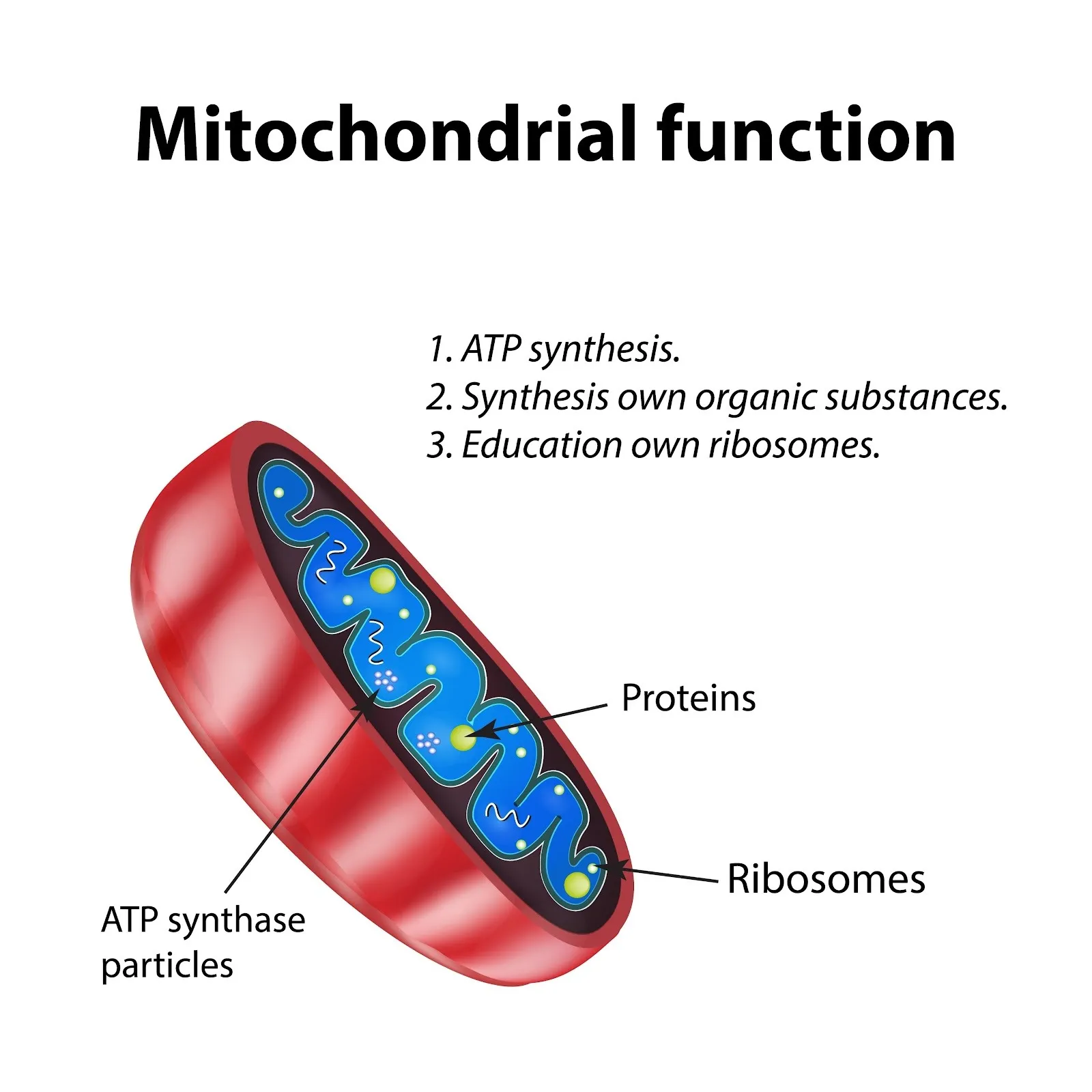
At a cellular level, this process is driven by oxidative phosphorylation within the mitochondria. Your cells consume oxygen ($O_2$) to convert macronutrients (glucose, fatty acids) into Adenosine Triphosphate (ATP), the energy currency of the cell.
Shutterstock
Because this process requires oxygen, there is a direct correlation between the amount of oxygen you inhale and the calories you burn. This relationship is the basis of metabolic testing. If your body is inefficient at producing ATP, or if you have high muscle mass demanding more energy at rest, your RMR will reflect that demand.
Key Components: How RMR is Measured
There are three primary tiers of measuring or estimating your metabolic rate, ranging from clinical precision to rough estimation.
1. Indirect Calorimetry (The Gold Standard)
This is the most accurate method available clinically. It involves breathing into a mask or hood for 10–20 minutes while fully at rest. The device measures gas exchange—specifically the volume of oxygen consumed ($VO_2$) and carbon dioxide produced ($VCO_2$).
By analyzing the ratio of gas exchange (Respiratory Exchange Ratio), this method calculates exactly how much fuel you are burning and often which fuel source (fats vs. carbohydrates) you are prioritizing.
2. Predictive Equations (The "Good Enough" Method)
If you cannot access clinical testing, mathematical formulas are the next best step. The Mifflin-St Jeor equation is currently considered the most reliable for non-obese individuals, while the Katch-McArdle formula is superior if you know your body fat percentage, as it accounts for lean body mass.
For men, the Mifflin-St Jeor formula is:
$$RMR = (10 \times weight\ in\ kg) + (6.25 \times height\ in\ cm) - (5 \times age\ in\ years) + 5$$
3. Consumer Wearables and Smart Scales
Be cautious here. Most smartwatches and bioimpedance scales estimate RMR based on heart rate and basic user data (age, weight). They do not measure gas exchange or heat production. While useful for tracking trends, they often possess a margin of error ranging from 10% to 20%.
Natural Factors Influencing Your Numbers
You cannot "boost" your metabolism with a single pill, but you can influence the biological inputs that determine your RMR. The goal is to support the tissue that requires the most energy: Lean Body Mass.
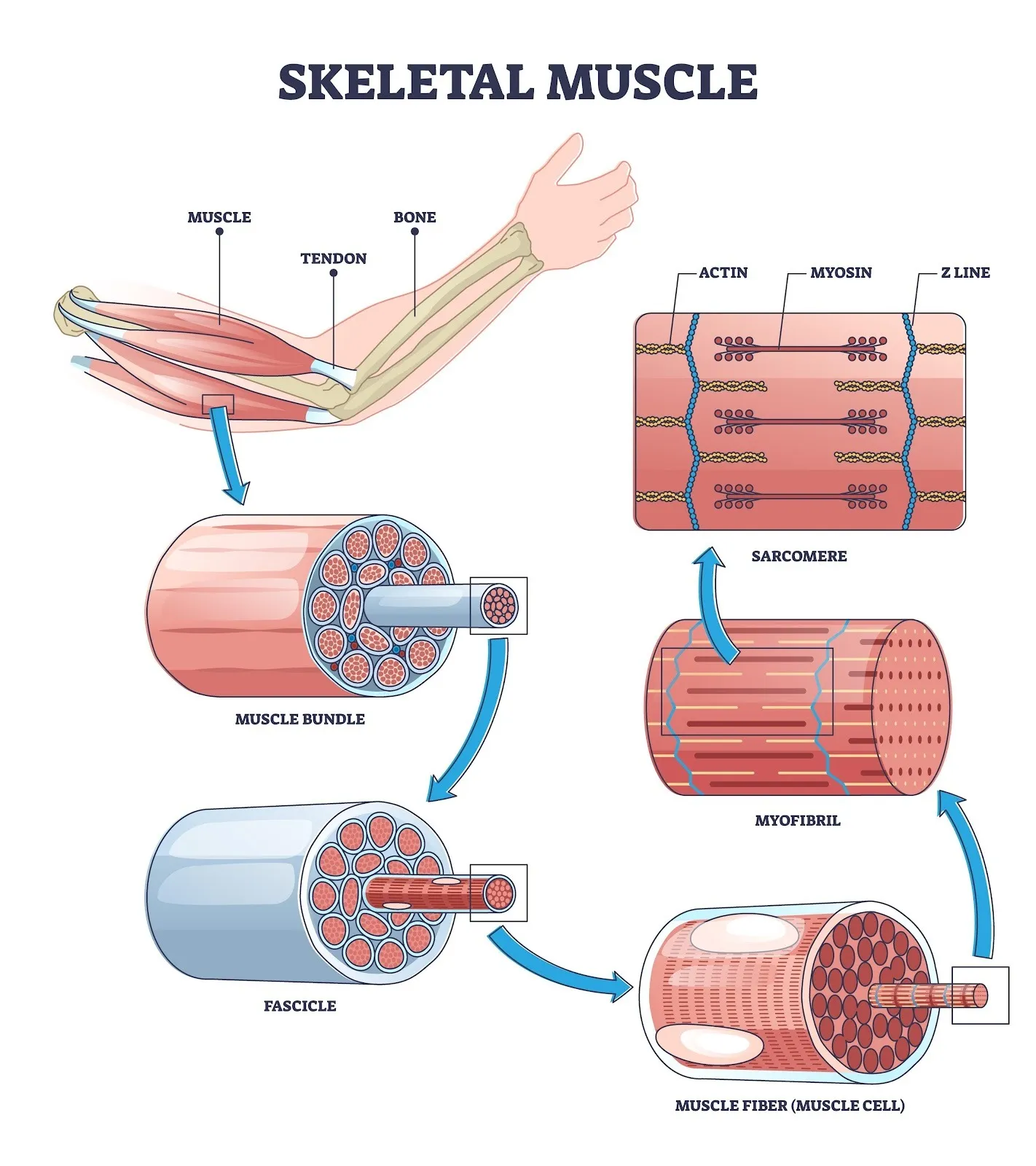
- Skeletal Muscle Mass: Muscle is metabolically expensive tissue. A higher percentage of lean mass increases the baseline ATP demand of your body. Resistance training is the most effective natural method to support a healthy RMR.
- Protein Intake: While not a direct change to RMR measurement, the Thermic Effect of Food (TEF) is highest for protein. Digesting protein requires significantly more energy (20-30% of the calories consumed) compared to fats or carbs.
- Mitochondrial Health: Deficiencies in micronutrients like Iron, B-Vitamins, and Magnesium can bottleneck ATP synthesis. Ensuring you eat nutrient-dense whole foods (leafy greens, red meat, organ meats) ensures the enzymatic pathways for metabolism function without restriction.
Shutterstock
When to Seek Professional Testing
For many men, an online calculator is sufficient. However, there are specific scenarios where clinical measurement (Indirect Calorimetry) is warranted to break through plateaus or identify health issues.
- The Weight Loss Plateau: If you are strictly adhering to a caloric deficit based on calculations but not losing weight, your actual RMR may be significantly lower than the predicted average due to metabolic adaptation.
- High-Performance Athletes: Men with exceptional muscle mass often burn significantly more calories than standard formulas predict. Accurate data prevents under-eating and performance decline.
- Post-Obesity Weight Maintenance: Individuals who have lost a significant amount of weight often have a suppressed RMR (adaptive thermogenesis). Knowing your true number is critical for maintaining that loss.
Contraindications:
Professional testing requires strict adherence to protocol. Testing is generally inaccurate if you are unable to fast for at least 4 hours, strictly avoid caffeine for 12 hours, or abstain from vigorous exercise for 24 hours prior to the test.
Red Flags
While a "slow metabolism" is often just a mismatch of calorie counting, certain symptoms suggest an underlying medical pathology (such as Hypothyroidism or Cushing's syndrome) that requires immediate doctor supervision:
- Unexplained Weight Gain: Rapid weight gain despite no change in diet or activity.
- Chronic Fatigue & Cold Intolerance: Feeling perpetually exhausted and unable to stay warm, even in moderate temperatures.
- Hair Loss & Dry Skin: Classic signs of thyroid dysfunction (Hypothyroidism).
- Bradycardia: An unusually low resting heart rate (below 60 bpm) if you are not an endurance athlete.
FAQ
Q: Can I measure my RMR at home?
A: Not accurately. You can estimate it using equations like Mifflin-St Jeor. Commercial "metabolism trackers" (breathing devices) exist, but their accuracy varies significantly compared to clinical medical carts.
Q: Does RMR drop significantly with age?
A: Yes, but largely due to muscle loss (sarcopenia) rather than age itself. Studies suggest that if you maintain lean muscle mass and physical activity, the metabolic decline associated with aging is minimal until age 60.
Q: How often should I re-test my RMR?
A: If you are actively losing weight, re-testing every 10–15 pounds (or every 3 months) is recommended. As you lose body mass, your metabolic rate inevitably drops, and your caloric intake targets must be adjusted.
Q: Is "Starvation Mode" real?
A: It is a misnomer. Your metabolism does adapt and slow down during prolonged caloric restriction (adaptive thermogenesis) to preserve energy, but it does not completely "shut down" or cause you to gain weight in a deficit.




Cut 15% of body weight - Lose the fat. Keep the muscle.