Increased Thirst and GLP-1s: Causes and Remedies
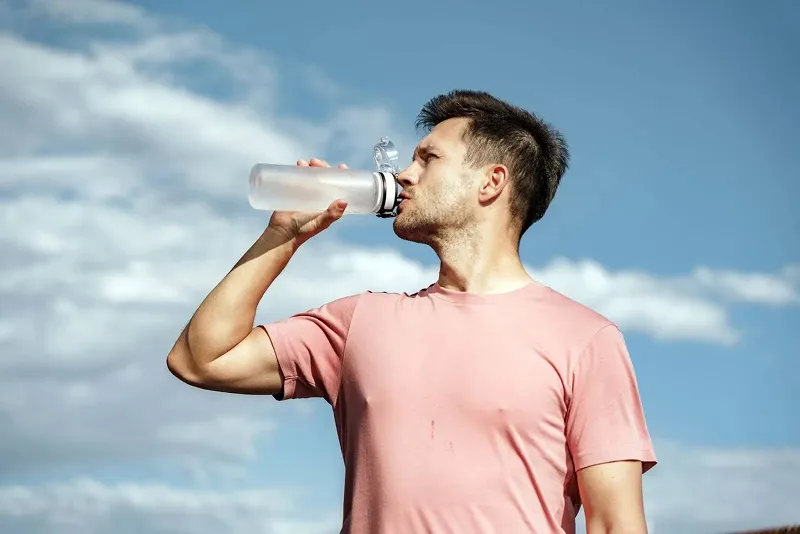
If you have recently started a GLP-1 such as semaglutide or tirzepatide, you may have noticed a persistent, sometimes intense, thirst. This is a frequently reported side effect that often catches men off guard, especially when they are already focused on managing other symptoms like nausea or appetite suppression.
The direct answer is that GLP-1 medications can increase thirst through both metabolic and physiological pathways. While often benign, this thirst is a signal that your body’s fluid and electrolyte balance is shifting. This guide explores the cellular mechanisms of fluid regulation on these medications and provides clinical strategies to maintain hydration.
The Science: Why GLP-1s Drive Thirst
The intense thirst you feel on a GLP-1 is driven by a shift in your internal fluid dynamics. It isn’t just a side effect; it is a sign that your body is re-calibrating its water and salt levels.
- The Kidney Shift (Natriuresis): These medications signal your kidneys to work differently, causing them to excrete more sodium. In biology, water follows salt. As your body sheds excess sodium, it flushes out water along with it, which can lead to a "dry" feeling much faster than you’re used to.
- The Brain Signal (Osmoregulation): GLP-1 receptors aren't just in your gut; they are also in the brain's "thirst center." This area monitors your osmoregulation—the delicate balance of water and minerals in your blood. When the medication triggers a fluid shift, your brain flips a switch to demand more water to keep your blood pressure and cells stable.
- Delayed Absorption: Because the medication slows down your digestion, it also alters how quickly you absorb fluids. This means you may need to sip water consistently throughout the day, rather than drinking a large amount all at once, to keep your "thirst center" satisfied.
Key Components: The Thirst Drivers
Understanding the specific causes can help you manage the symptom more effectively:
- Increased Urinary Output: Many users experience a "whoosh" of water loss in the first few weeks as insulin levels stabilize and the kidneys increase sodium excretion.
- Reduced Water from Food: We typically get about 20% of our daily water from the food we eat. Because GLP-1s significantly reduce food intake, you are inadvertently losing a primary source of hydration.
- Metabolic Shift: As the body transitions to burning stored fat for energy (lipolysis), it releases water stored in tissues, which then needs to be cycled through the system and replaced.
Dietary and Natural Foundations
Managing "GLP-1 thirst" requires a more sophisticated approach than simply drinking gallons of plain water, which can sometimes worsen the issue by further diluting your electrolytes.
- Electrolyte Integration: Prioritize fluids that contain sodium, potassium, and magnesium. These minerals act as the "gatekeepers" that allow water to actually enter your cells rather than just passing through your bladder.
- Structured Hydration: Don't wait for the sensation of thirst. Because the medication can sometimes dull thirst signals along with hunger signals, aim for a baseline of 2–3 liters of fluid daily, sipped consistently.
- Hydrating Foods: When you do eat, focus on moisture-rich lean proteins and vegetables (like cucumbers or bell peppers) to supplement your fluid intake.
When to Supplement or Intervene
For most men, this thirst is a manageable side effect, but certain interventions are necessary to stay ahead of the "low battery" feeling that comes with dehydration.
- Sugar-Free Electrolyte Powders: These are essential for maintaining osmotic pressure—the internal pressure required to pull water into your tissues rather than just letting it pass through you. Look for "high-potassium" formulations (at least 200mg) to counteract the sodium flush.
- Magnesium Glycinate: This is a highly bioavailable (easy to absorb) form of magnesium. It is the "gold standard" for preventing the muscle cramps and restless legs that often accompany the dehydration-thirst cycle.
- The "Renal Load" Warning: If you are currently taking blood pressure medication (especially diuretics) or have a history of kidney issues, you must consult your doctor. Rapidly increasing your water and salt intake can change your renal load (the stress on your kidneys) and may require a dosage adjustment for your other meds.
Red Flags
Increased thirst is common, but it can occasionally mask more serious issues. See a doctor if you experience:
- Extreme dry mouth (Xerostomia) that prevents swallowing or speaking.
- Dizziness or lightheadedness when standing up (orthostatic hypotension).
- Confusion or extreme fatigue, which may indicate a severe electrolyte imbalance.
- Dark-colored urine (apple juice color or darker) despite drinking significant fluids.
FAQ Section
Is my thirst a sign of "ketoacidosis"? In non-diabetic men, this is very rare. However, if your thirst is accompanied by fruity-smelling breath and nausea, seek medical evaluation. Usually, thirst on GLP-1s is simply a byproduct of increased sodium excretion.
Can I drink coffee or tea? Caffeine is a mild diuretic. While you don't have to quit, you should match every cup of coffee with an equal amount of water to offset the potential fluid loss.
Does the thirst ever go away? For most men, the intense thirst tapers off after the first 4–6 weeks as the body reaches a "steady state" with the medication and the initial rapid fluid shift stabilizes.




Cut 15% of body weight - Lose the fat. Keep the muscle.