Muscle Mass and Metabolism: The Science Behind the Connection
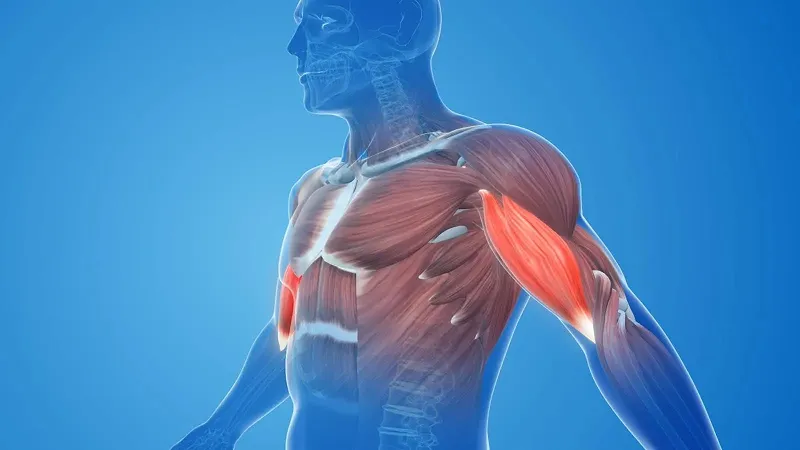
The relationship between muscle mass and metabolic rate is frequently discussed in fitness circles, yet often misunderstood. Many men believe that gaining a small amount of muscle will allow them to eat significantly more without weight gain, while skeptics argue the metabolic cost of muscle is overblown.
The direct answer is a "yes, but" scenario. While muscle tissue is significantly more metabolically active than fat, the absolute caloric "burn" of muscle at rest is modest. However, its influence on your overall metabolic health—including how you process sugar and regulate hormones—is profound.
The Science: Muscle as a Metabolic Sink
At the cellular level, skeletal muscle is one of the body’s most demanding tissues. Even at rest, your muscle cells are engaged. The primary driver of resting energy expenditure in muscle is ion pumping (specifically the sodium-potassium pump), which maintains the electrical gradient across cell membranes necessary for contraction.
Furthermore, muscle tissue undergoes constant protein turnover. This involves muscle protein synthesis (MPS)—the creation of new proteins—and muscle protein breakdown. This cycle of building and repairing is bioenergetically expensive, requiring significant oxygen and nutrient delivery via oxidative phosphorylation in the mitochondria.
Key Components: The Metabolic Breakdown
To understand why muscle matters, we must compare it to other tissues using a clinical lens:
- Skeletal Muscle: Metabolizes approximately 13 kcal/kg (approx. 6 kcal/lb) per day at rest.
- Adipose Tissue (Fat): Metabolizes approximately 4.5 kcal/kg (approx. 2 kcal/lb) per day at rest.
- Organs (Heart, Liver, Kidneys, Brain): These are the true metabolic powerhouses, burning between 200 to 440 kcal/kg per day.
While the organs account for nearly 60-80% of your Resting Energy Expenditure (REE), skeletal muscle is the only high-energy tissue over which you have significant volitional control. By increasing your muscle mass, you are expanding your body's largest "metabolic sink" for glucose and fatty acids.
Dietary and Lifestyle Foundations
Maximizing the metabolic benefits of muscle requires more than just lifting weights; it requires a nutritional environment that supports tissue maintenance.
- Protein Thresholds: To support the energetically expensive process of MPS, men should aim for a protein intake of 1.6g to 2.2g per kg of body weight. This provides the necessary amino acids to stay in a positive nitrogen balance.
- Resistance Training Frequency: A single bout of resistance exercise can elevate your metabolic rate for up to 48 hours due to the repair demand (EPOC). Consistent training twice or thrice weekly ensures this elevation becomes a semi-permanent state.
- Whole-Food Micronutrients: Cofactors like magnesium and zinc are essential for ATP production and hormonal health (e.g., testosterone), which in turn regulates how much muscle mass the body is willing to maintain.
When to Supplement or Intervene
For many, lifestyle changes are sufficient, but specific scenarios warrant additional support:
- Sarcopenia (Age-Related Muscle Loss): Men over 50 lose muscle at a rate of roughly 3-8% per decade. In these cases, higher protein intake and targeted resistance training are medically necessary to prevent a plummeting metabolic rate.
- Creatine Monohydrate: This is one of the most researched supplements. It assists in ATP recycling during high-intensity efforts, allowing for greater muscle tension and subsequent growth.
- Contraindications: Individuals with pre-existing renal (kidney) issues should consult a doctor before significantly increasing protein intake or starting creatine, as these can alter filtration markers.
Red Flags
If you are attempting to build muscle but experience these symptoms, seek medical advice:
- Persistent Muscle Weakness: Not to be confused with fatigue; a sudden loss of strength can indicate neurological or endocrine issues.
- Extreme Muscle Soreness and Dark Urine: This may be a sign of rhabdomyolysis, a dangerous breakdown of muscle tissue that can damage the kidneys.
- Unexplained Weight Loss: Gaining muscle should generally increase or stabilize weight; rapid loss despite training may indicate a metabolic disorder.
FAQ Section
Does muscle really "burn fat" while I sleep? Technically, muscle uses energy (ATP) for maintenance at all times. While it doesn't "torch" fat, a body with more muscle mass will burn more total calories during sleep than a body with more fat mass at the same weight.
Can I turn fat into muscle? Physiologically, no. Fat (adipose) and muscle (myofibrillar) are two distinct tissue types. You can lose fat through a caloric deficit and gain muscle through resistance training and protein, but one tissue does not "convert" into the other.
Is cardio bad for my muscle-driven metabolism? No. While excessive cardio without resistance training can lead to muscle loss, moderate aerobic activity improves mitochondrial density and vascularity, making your muscle tissue more efficient at utilizing nutrients.




Cut 15% of body weight - Lose the fat. Keep the muscle.